Blog · 12 May Kho Liang Ie, Dutch design and Schiphol
Let’s travel back in time to the 1960s and learn how Schiphol became an iconic airport in terms of design. Largely thanks to the vision of a man called Kho Liang Ie, who designed the entire interior of the new terminal building. In this vision, architecture, interior design, signage and art came together to create a calm and easy-to-navigate airport. The look and feel of the new Schiphol subsequently became world renowned and Kho Liang Ie a key figure in Dutch design history. The design attracted considerable international attention and served as a source of inspiration for airports around the world. Schiphol was seen as a prime example of how design can contribute to a pleasant and user-friendly travel experience.
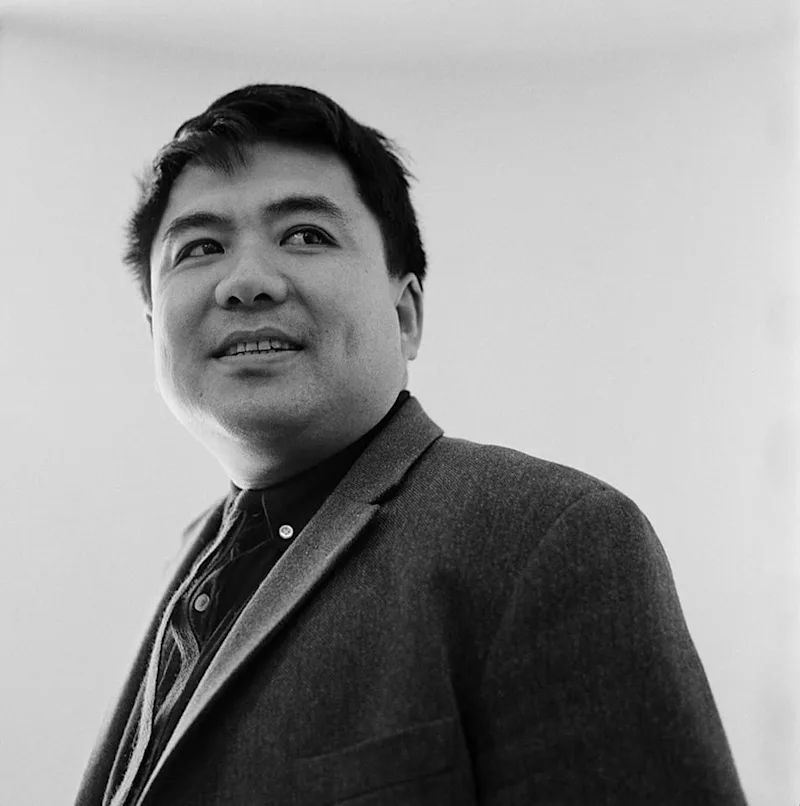
About Kho Liang Ie
Kho Liang Ie was born in Magelang, Indonesia and came to the Netherlands in 1949 to study pedagogy. He turned out to have a different calling in life and soon switched to interior design at the Instituut voor Kunstnijverheidsonderwijs (Institute for Applied Arts Education) in Amsterdam. He then went on to become an influential furniture and interior designer. A highlight of his career was designing the interior for the new Schiphol, which was built between 1963 and 1967. Only a small part of his original work is still visible at the Schiphol you encounter today. However, his principles of clarity, attention to detail and simplicity live on in the revamped Schiphol brand.
Kho Liang Ie, 1965. Foto: ©️ Jan Versnel / MAI
Schiphol design principles
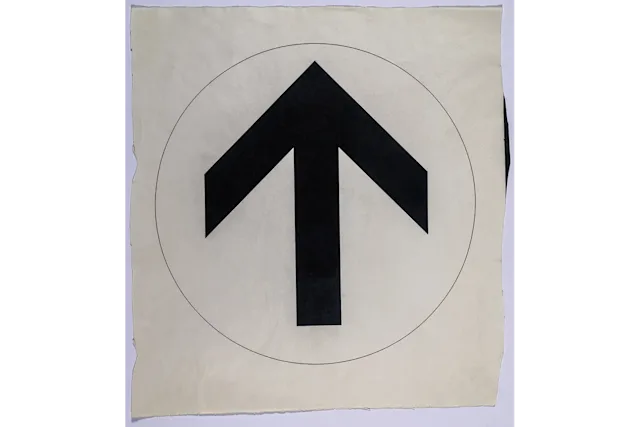
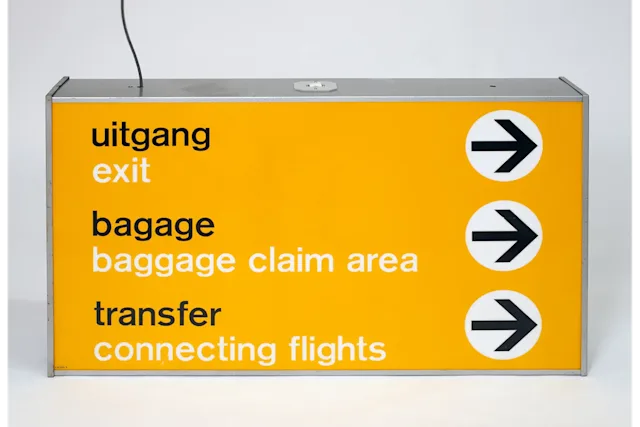
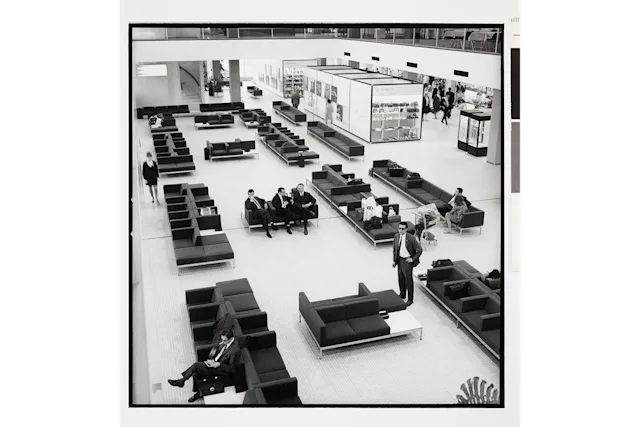
At the heart of Kho Liang Ie’s vision was the traveller. And in the 1960s, travellers were often nervous as flying was a new experience for them. The design of Schiphol therefore had to be not only functional but also convey a sense of calm and confidence. The entire architecture and design team consisted of architect Frans de Weger, construction coordinator Marius Duintjer and Kho Liang Ie. Kho brought in graphic designer Benno Wissing to create the signage. The result was a design featuring clean lines, plenty of natural light, views of the aircraft and clearly laid-out seating areas.
The new Schiphol was designed to allow for easy expansion. Everything was modular, from the shops in the terminal to the sofas in the lounge. Although some found the design rather cold, it clearly reflected Dutch values such as order and functionality. It was a design that put the traveller at the centre. This is reflected in Kho Liang Ie’s subtle design choices: a barrier-free entrance for a smooth arrival, slight changes in level after passport control to subconsciously create a sense of calm, and the use of warm materials such as wood in areas where travellers linger. Large glass panels offered a view of the aircraft, allowing people to follow their journey and maintain a sense of control.
Kho Liang Ie, design first Schiphol arrow, approx. 1966. Archive Kho Liang Ie. Photo: Hans Bol
Benno Wissing and Kho Liang Ie, signage for Schiphol featuring new arrow, 1967, produced by Omniscreen. Lightbox by Kho Liang Ie in collaboration with Interdesign. Collection of the Stedelijk Museum Amsterdam, donated by H. Bouchier (Schiphol Group), 2006
Kho Liang Ie, interior at Schiphol Airport featuring the 720 seating system designed by Kho for this purpose (manufactured by Artifort), 1967. Photo: ©️ Jan Versnel / MAI, 1968
Art integrated into design
Art was also an integral part of the design of the new terminal building. Artworks were not seen as separate additions, but as part of the airport’s architecture. Due to the absence of advertising and extravagant decoration, art could function within a quiet environment and remain clearly visible. The idea was that travellers should be able to see the artworks but not be distracted by them while finding their way around the airport. Art was therefore installed in places where people wait, like the lounges. Art served not only an aesthetic purpose but also helped with wayfinding and enhanced the quality of the visitor experience. By strategically positioning artworks, natural resting points were created along the route, without disrupting the flow of visitors. Kho Liang Ie also played a key role in shaping this art policy and selecting the artists.
Lasting impact
Schiphol has changed significantly since the 1960s. Whilst the airport was once designed as a quiet and orderly environment, growth, security measures and commercial functions have transformed it into a complex and multi-layered entity. Only a small part of Kho Liang Ie’s original design remains visible today, but his guiding principles are still relevant.
It is precisely within this complexity that we are once again seeking moments of calm, focus and orientation. With the introduction of Schiphol’s revamped corporate identity, principles such as coherence and clarity are being reintroduced, for example by reducing visual distractions and making walking routes clearer.
Art continues to play an important role in this regard. Whereas art used to serve primarily to provide a sense of calm and perspective, today it also invites reflection: on the people who work there, the travellers who pass through, and the airport as a place of encounter.
Exhibition at the Stedelijk Museum
Would you like to find out more about Kho Liang Ie and his influence on design and Schiphol? The exhibition ‘Kho Liang Ie - Mid-Century Modernist’ is on display at the Stedelijk Museum Amsterdam from 14 May to 18 October. It is the first major museum retrospective of his work, bringing together his designs for interiors, furniture and industrial design. The exhibition shows how he played a central role in the development of Dutch design and why his work is relevant once again today.
You can read more about the role of art at Schiphol today in the first and second instalments of this three-part blog series. Here’s an article on the new Maarten Baas clock and here you’ll find information about the Time Lines street art exhibition.