Blog · 2 April Maarten Baas is back at Schiphol
Schiphol and art have gone hand in hand since the new terminal was opened in 1967. Over the years, the airport has acquired an extensive collection. A particularly well-known example of the diverse art pieces is the ‘Real Time’ clock by Maarten Baas that was installed in 2016 in Lounge 2 and can still be seen every day . Ten years later, Baas is back with something new and unique.
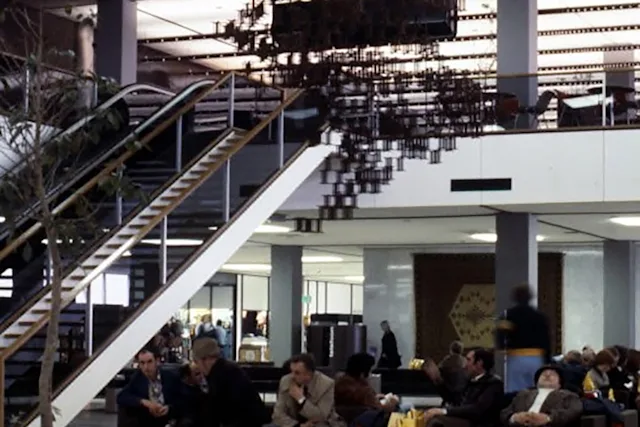
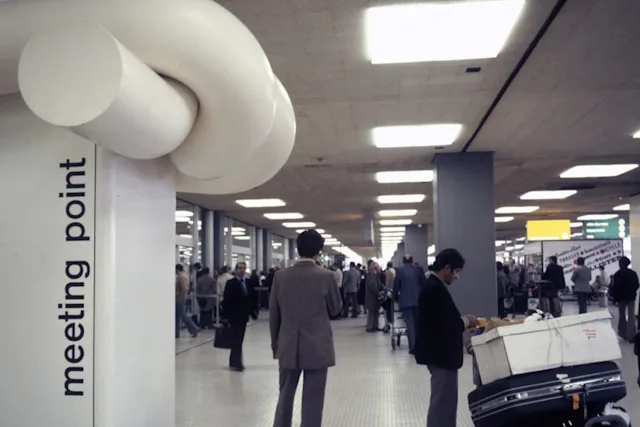
Art has been an important feature of the airport since the 1960s. The carefully thought-out Terminal design Schiphol took experience of the traveller as a starting point. This perspective aimed to contribute to a sense of calm, helping travellers feel at ease; Art was introduced to complement the peaceful environment and to provide points of reference. Over the years, as the airport grew and became more complex, it received a n additional role. Today, art also creates meaning and gets people to think about the human aspect of the airport.
A tribute to the people of Schiphol
After all, Schiphol is more than a place where passengers get from A to B. It’s also a place where tens of thousands individuals work. Schiphol is proud of the community that keeps the airport running every day. And so, when we asked Maarten Baas to create a new art piece for us, we asked if he could somehow put the human beings of the airport at the heart of the project. The result was a brand-new iconic real-time clock that pays tribute to all the people who make Schiphol.
More than a thousand volunteers, most of them employed by or at the airport, came together in a huge hangar to create this piece of art. Cleaners, security officers, cabin crew, office workers, ground handlers and others spent 3 days on a film set to create the video for thes new clock in Lounge 1. They all stood in formation for 12 hours and took small steps all together in a clockwise direction while being filmed from above, forming the clock’s moving hands.
Storytelling
And so, this new clock tells more than only the time. It tells a story. This combination of function and vision has characterised art at Schiphol since the sixties. Back then, it served to complement the minimalistic and tranquil design of the terminal. Today, art is a way of holding attention in a lively environment that wouldn't be the same without the effort of its people.
Something that has stayed the same is that Schiphol is a place where people wait. You wait for the check-in desk, you wait in line to buy a coffee and you wait for your flight at the gate.
That’s just part of travelling, all those different steps to go through. How nice it is then, to be told a story while waiting. Next time you find yourself in Lounge 1 at Schiphol, be sure to look at the Maarten Baas clock and reflect on what it tells you (besides the time).
Storytelling
And so, this new clock tells more than only the time. It tells a story. This combination of function and vision has characterised art at Schiphol since the sixties. Back then, it served to complement the minimalistic and tranquil design of the terminal. Today, art is a way of holding attention in a lively environment that wouldn't be the same without the effort of its people.
Something that has stayed the same is that Schiphol is a place where people wait. You wait for the check-in desk, you wait in line to buy a coffee and you wait for your flight at the gate.
That’s just part of travelling, all those different steps to go through. How nice it is then, to be told a story while waiting. Next time you find yourself in Lounge 1 at Schiphol, be sure to look at the Maarten Baas clock and reflect on what it tells you (besides the time).
This blog is the first in a three-part series exploring the relationship between art, Schiphol’s design and the people who travel via and work at the airport. Keep an eye out for part two.