Blog · 25 June Plane spotting at Schiphol
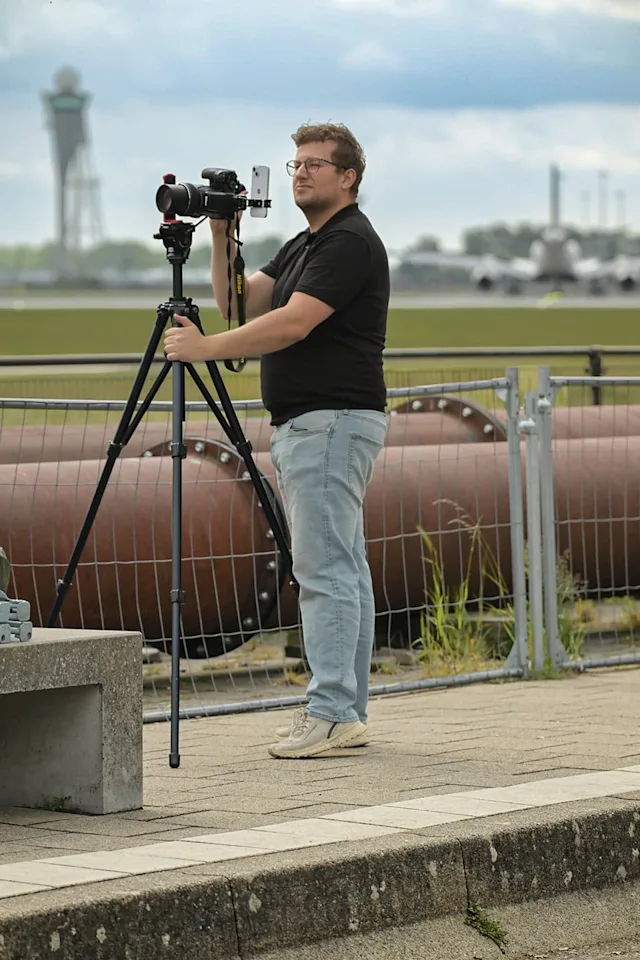
Standing by the runway, camera in hand and your gaze fixed on the sky. For some, plane spotting at Schiphol is a spontaneous outing. For others, it’s a serious hobby. For Kubilay Kaplanoglu (25), it has been a constant part of his life for more than ten years. ‘Nine times out of ten, I’m at Schiphol,’ he says.
Special
‘What makes Schiphol so special lies in the combination of everything that comes together here. It starts with the amount of traffic. You never have to wait long before something happens.’ According to Kubilay, that is exactly why he keeps coming back – there is always movement, and the variety continues to surprise. Aircraft from America, Asia and Europe come and go, alongside cargo flights and special planes you don’t see every day. ‘At the same time, that constant stream also brings an element of surprise. You can come with a plan – a specific flight, a particular aircraft – but it doesn’t always go the way you planned. Sometimes everything falls perfectly into place, and you see exactly what you hoped for. Other times, it’s quieter and you see the unexpected. That’s what makes spotting exciting.’
Close
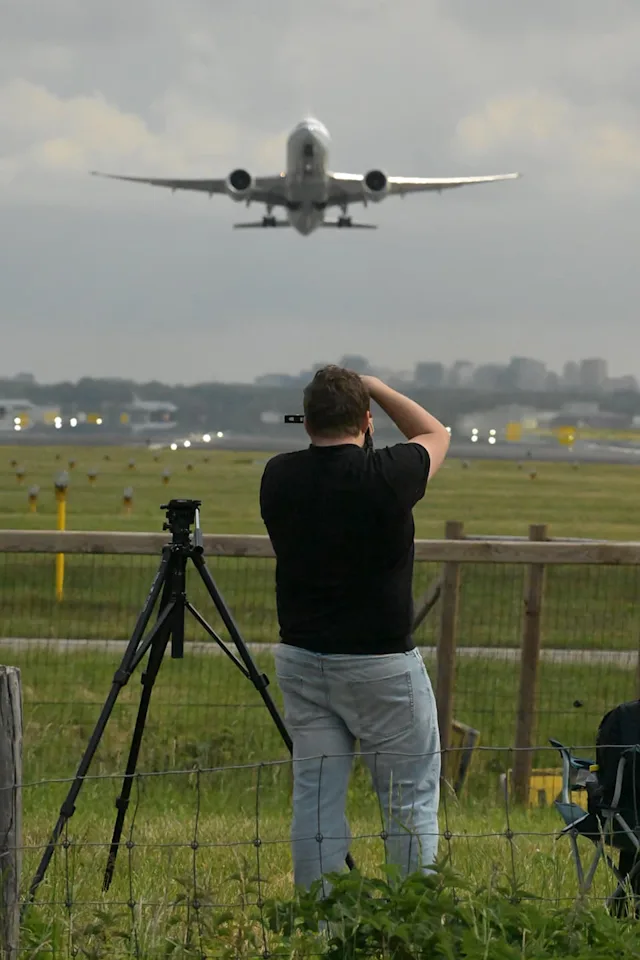
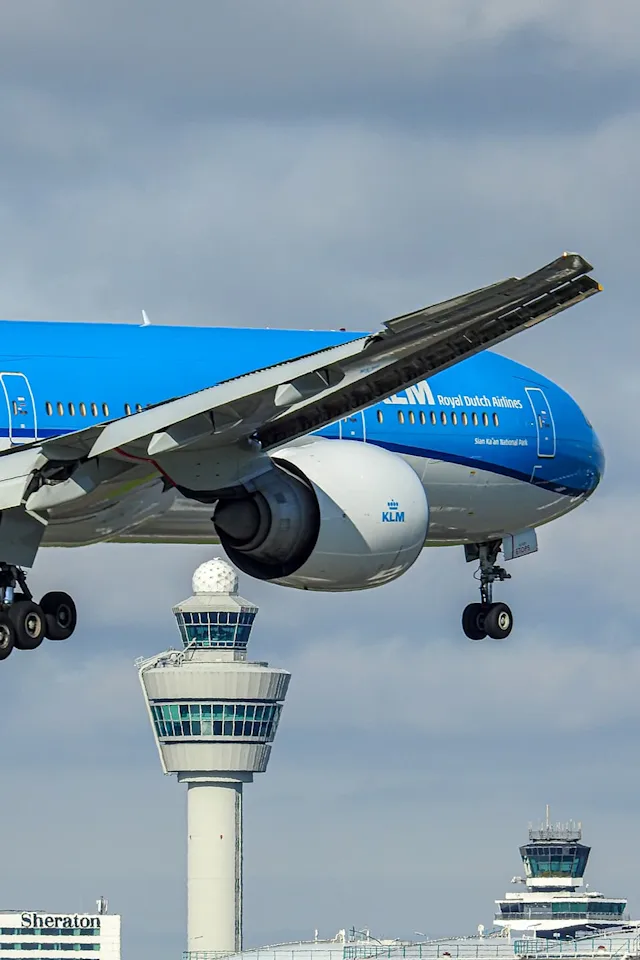
What truly sets Schiphol apart from many other airports is how close you can get. The official spotting locations play a major role in that. The most well-known is the one near the Polderbaan Runway. It’s a wide, open area where you have an unobstructed view of departing and landing aircraft. You’re literally right up close to the action. The grass, the cycle path and the parking space make it a place where you can easily spend a few hours. Kubilay describes it as a place where everything comes together: freedom, visibility and convenience. ‘It’s just a big open stretch without fences. You can go there with friends or family, park, sit and watch.’ As a graduate aviation technician, he knows a lot about flying and aircraft. It has always been part of his life. His dream was to become a pilot, but that wasn’t possible due to colour blindness. Now he hopes to find a job that keeps him close to his passion.
Overview
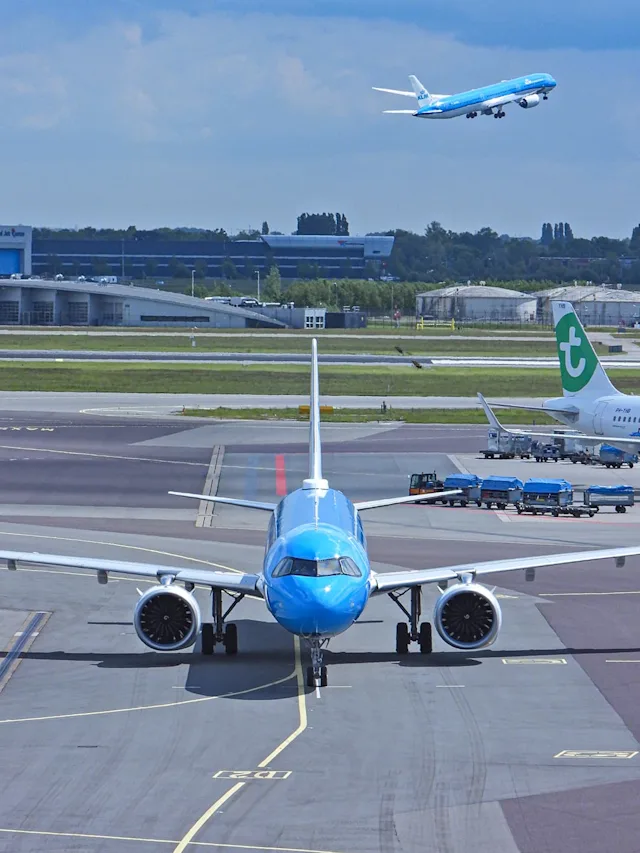
On the other side of the airport lies the official spotting area near the Buitenveldertbaan Runway. Here, spotting is a different experience. You’re not just watching one runway; you also see parts of other runways and airport activity. This provides more overview and context. You don’t just see the take-offs and landings, but also what happens before and after. Those who prefer staying close to the terminal can visit the Schiphol Panorama Terrace. It’s freely accessible and offers a view of the apron and the gates. You can watch aircraft up close during taxiing and preparation for departure. For first-time spotters, this is often a great place to start.
Perspectives
In addition to these official locations, experienced spotters know many more favourite spots around Schiphol, such as near the Aalsmeerbaan Runway, Kaagbaan Runway or along the Zwanenburgbaan Runway. Which spot is best varies from day to day, depending on weather, wind and runway use. ‘That’s what makes spotting here dynamic. You move along, look for the best spot, and keep discovering new perspectives,’ Kubilay says with a smile. That combination of accessibility and freedom is not something you see everywhere in the world. Kubilay noticed it himself when he briefly visited Frankfurt Airport. The traffic was comparable, but the distance to the runway was greater. ‘You’re further away there,’ he says. That’s typical of many major airports like Frankfurt, Heathrow, or Paris Charles de Gaulle – impressive in terms of traffic, but often less accessible.
People
Smaller airports like Rotterdam or Eindhoven offer a different experience. There, you are closer and have a better overview, but you miss the intensity and variety of a major hub. Schiphol offers the best of both worlds – large enough for constant movement yet designed with places where you can truly experience what’s happening. For many spotters, it’s no longer just about the aircraft themselves. It’s the stories that make the experience special. ‘When I see a plane land, I think about the people inside,’ Kubilay explains. Who are they? Where have they come from? Where are they going?
Sharing
A plane becomes more than metal and engines. It represents travel, encounters and change – for a student heading abroad, a family reuniting or a crew starting a new flight. That layer of meaning adds depth to what you see and keeps plane spotting fascinating. There’s something else as well: sharing the experience. Many spotters bring others along to show them what fascinates them so much – friends, family, or people experiencing it for the first time. Kubilay enjoys doing that too. Watching together, explaining and sometimes sharing a special moment when something unexpected appears.
Coming back
Perhaps that’s why people keep coming back to Schiphol; not just for the planes, but for the whole experience. The combination of movement, accessibility and stories. The knowledge that no two days are the same. You come to watch. But you stay because something always happens that you didn’t expect. Or, as Kubilay puts it: it’s not just the aircraft, it’s everything that comes with it. So, whether it’s your first time or you’ve been spotting for years, grab your bike or get in the car, pick a spot and look up.
There is always something to see.