News · 14 September PFAS soil treatment facility opens: local community gets a look behind the scenes
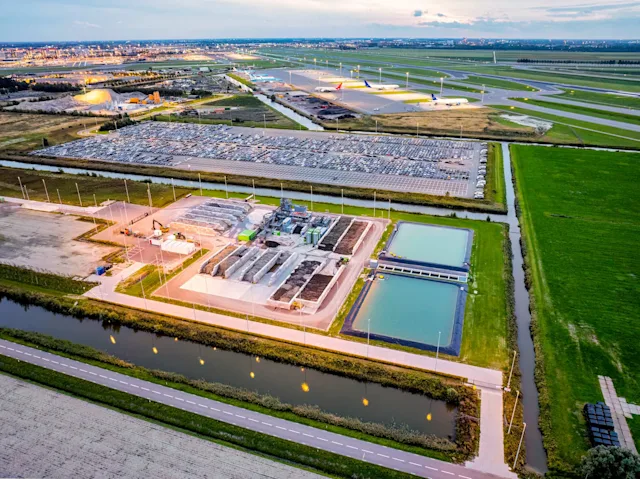
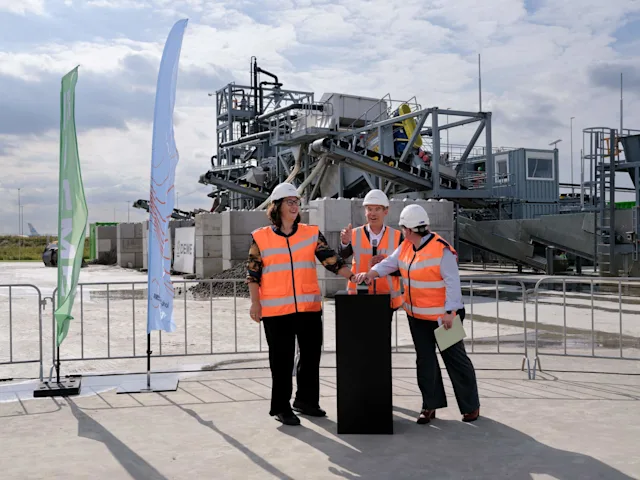
After years of research, testing and preparation, the PFAS soil treatment facility next to the Zwanenburgbaan Runway was officially opened on 10 September. This marks an important milestone. Over the coming years, we will treat PFAS-contaminated soil dug up during works carried out at Schiphol. By doing so, we remove some of the PFAS from the environment and enable most of the soil to be reused on the airport site. As many Badhoevedorp residents had questions and concerns about the arrival of the facility, we organised an Open Day for the local community on 12 September.
A look behind the scenes
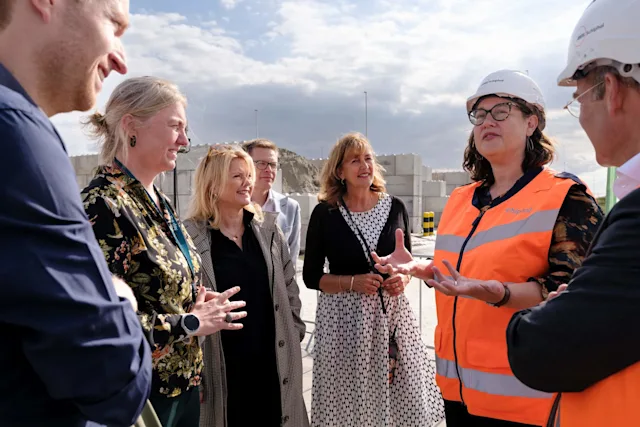
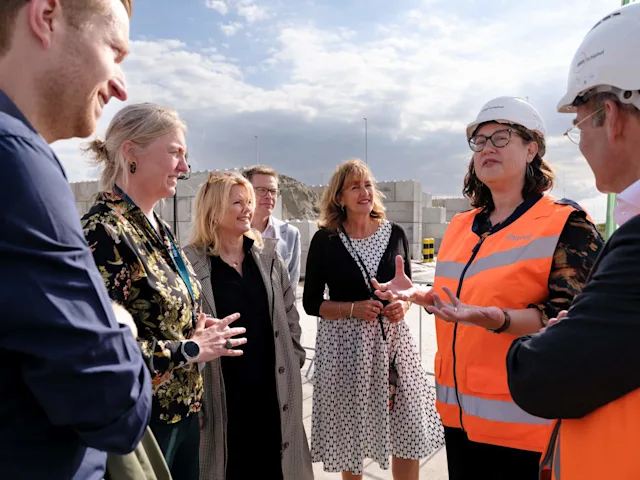
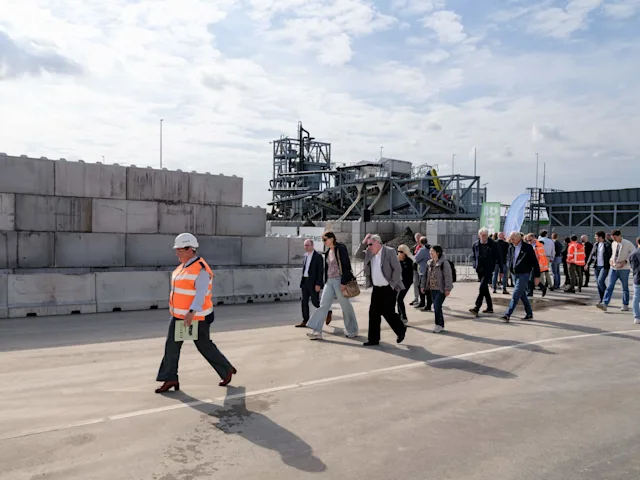
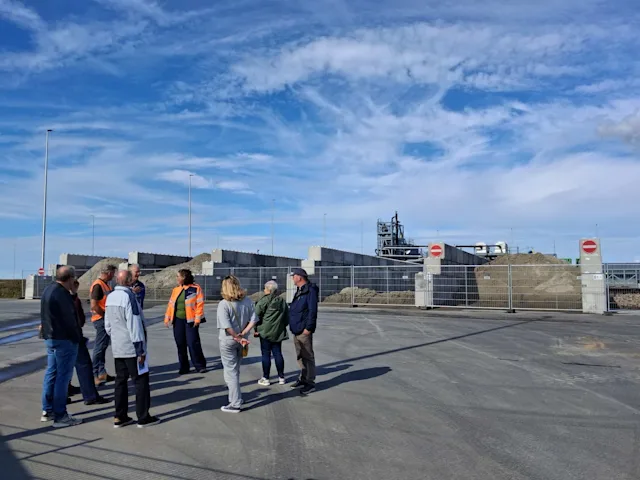
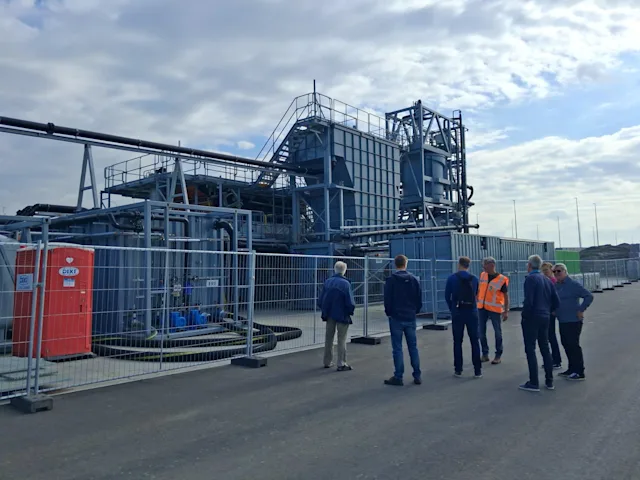
During the Open Day, visitors had the opportunity to see the facility up close and ask questions to representatives from Schiphol and DEME. Several dozen interested local residents took part. Visitors came not only from Badhoevedorp, but also from nearby towns including Hoofddorp, Heemstede, Purmerend and Uithoorn.
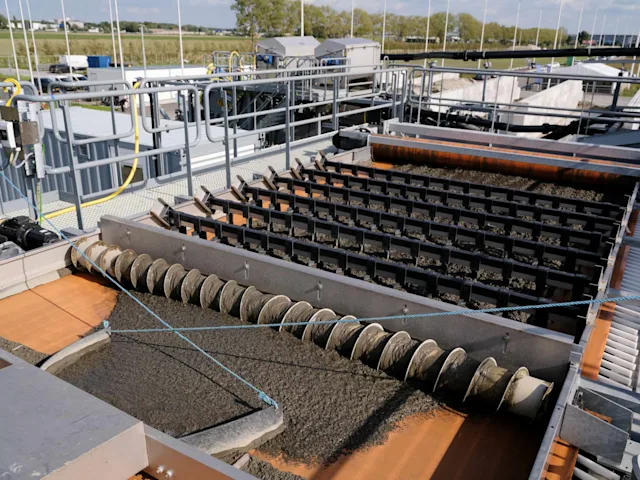
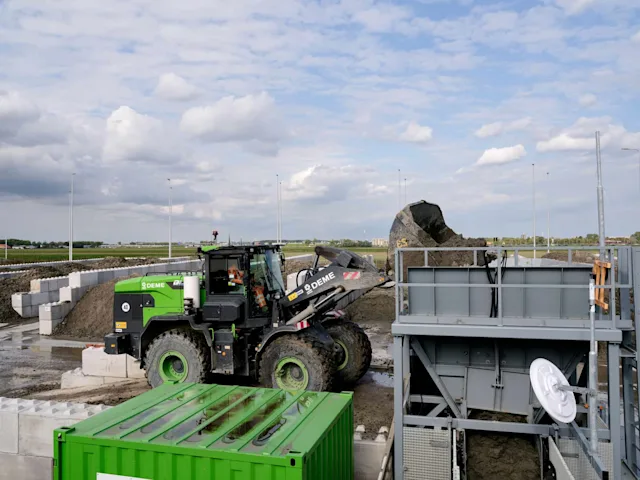
Following a specially designed route through the site, visitors passed various parts of the facility, including the soil intake hoppers, water basins, treated soil storage bays and the wheel-washing installation for lorries. Along the way, they received an explanation of how the facility operates. Staff also outlined the measures that have been put in place to ensure that the soil is processed safely and responsibly.
From PFAS-contaminated soil to reusable construction sand
The facility has been operational since this summer. The first soil was processed in July, and the treatment process is now well under way. Over the next three years, we aim to process approximately 200,000 tonnes of PFAS-contaminated soil that is currently stored in temporary storage sites at Schiphol.
The treatment process produces around 80% cleaned sand and 20% contaminated residual sludge. Schiphol will reuse the cleaned sand in construction projects across the airport. For the time being, the contaminated residual sludge will be sent to a licensed waste treatment specialist for further processing.
Safe operations
We understand that the storage and treatment of PFAS-contaminated soil raises questions and concerns among local residents. We have implemented a range of measures to ensure the safe treatment of the soil and to prevent PFAS from spreading from the facility into the surrounding environment. Compliance with these measures is overseen by the environmental authority.
The facility is built on an impermeable surface. During dry and warm weather, sprinklers keep the soil in the intake and output areas moist to prevent the spread of dust. Lorries transporting the soil travel with covered loads and, before leaving the site, pass through a wheel-washing installation.
In consultation with the Badhoevedorp Village Council, we agreed to monitor groundwater quality twice a year. The results of the third monitoring round will be available shortly.
How it works
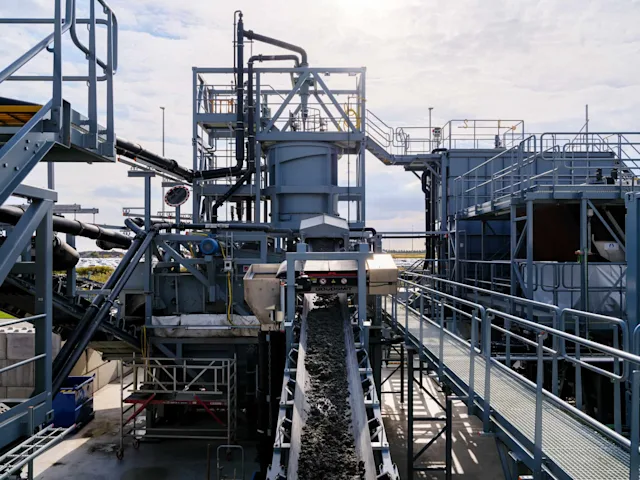
The soil at Schiphol consists of approximately 80% sand and 20% fine materials, such as clay and organic matter. During the treatment process, these components are separated and the soil is effectively washed. The PFAS binds to the water during this process.
Around 80% of the material leaves the facility as reusable sand. This sand can be used again in projects at Schiphol, reducing the need to import new raw materials and limiting the amount of unusable material sent off site. The first batch of treated sand is expected to be used this autumn.
The water used to clean the soil remains within a closed-loop system and is continuously reused. PFAS is removed from the water using activated carbon filters. These filters are then used by a specialised contractor as fuel in a cement kiln. Sustained heating at high temperatures breaks down the PFAS compounds into harmless fluoride salts and minerals.
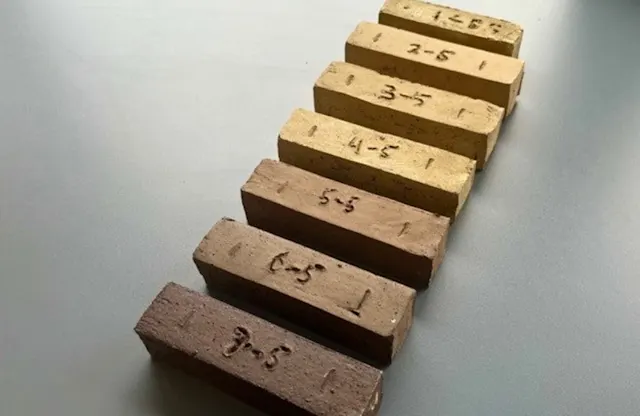
After the soil has been treated, around 20% remains as fine residual sludge that still contains PFAS. This material is transported to a licensed landfill site. However, we are also looking for more sustainable alternatives. For example, together with Claybens, we are exploring the possibility of turning this residual material into bricks.
The complex legacy of PFAS
PFAS contamination at Schiphol is a complex legacy issue resulting from the historic use of PFAS-containing firefighting foam. This type of foam is no longer used. However, contamination remains in the soil at various locations across the airport. As every site and situation is different and requires a tailored approach, tackling PFAS contamination is a complex challenge. The PFAS soil treatment facility represents an important step towards addressing part of that challenge.
The facility also reflects Schiphol's commitment to a circular approach. By treating and reusing soil, we are helping to reduce waste and make the most of valuable resources, in line with our strategy of maximising the reuse of materials wherever possible.