More sustainable aviation fuels
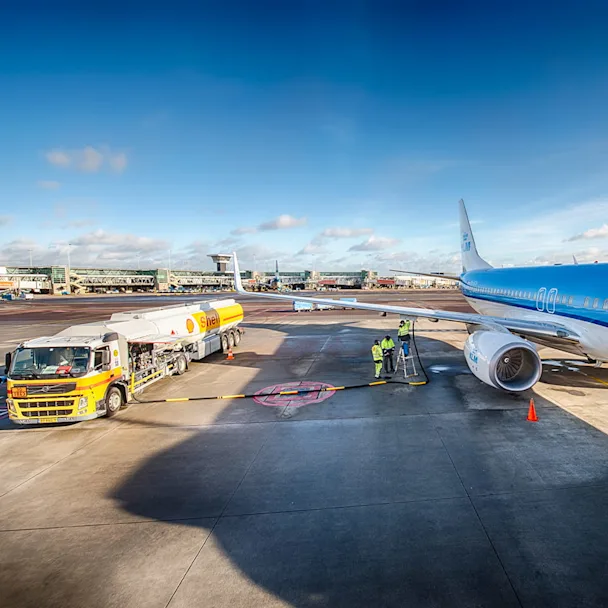
In the short term, it will be the use of more sustainable fuels that makes the most significant contribution to more sustainable aviation
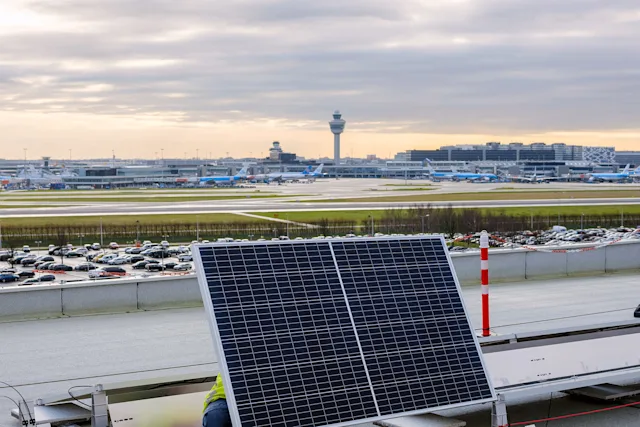
We are convinced that flying should be more sustainable, producing less CO₂ and other emissions like nitrogen and ultrafine particles. Schiphol Group has been committed to making aviation more sustainable for many years, both on a national and international level.
Schiphol Group is in favour of making agreements at national, European and global level. The Dutch aviation sector has agreed to reduce CO₂ emissions from aviation from the Netherlands to 2005 levels by 2030.
Research by the Netherlands Aerospace Center (NLR) and research agency CE Delft, commissioned by Schiphol, shows that this is not sufficient for the Paris Climate Agreement. This requires at least a 30 percent CO₂ reduction by 2030 compared to 2019. This is more than the current (national) target of -9%.
In the short term, the use of more sustainable fuels will contribute to more sustainable flying. Longer-term innovations are being worked on worldwide, such as electric or hybrid aircraft. More efficient use of European airspace will also reduce aircraft emissions.
In the short term, it will be the use of more sustainable fuels that makes the most significant contribution to more sustainable aviation
The cost of landing at Schiphol depends on aircraft type

Pipistrel electric plane at Rotterdam The Hague Airport

More direct flight paths mean fewer emissions
The Dutch aviation sector has made national and international climate agreements
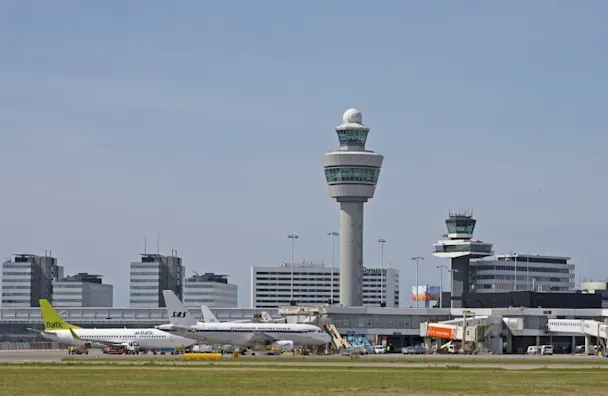
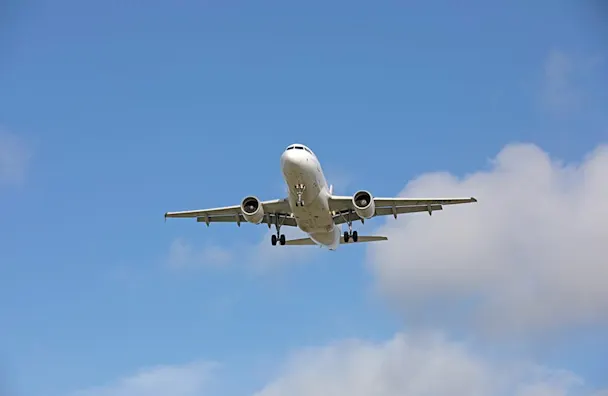
Fleet renewal and fuel economy are hot topics
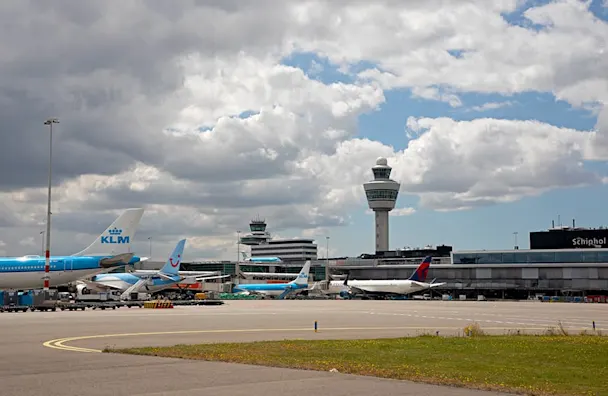
In addition to CO₂ , the aviation industry also produces other emissions that contribute to climate change. These include nitrogen, soot and sulpher dioxide.

Zero tolerance for illegal trafficking in people and endangered plant and animal species
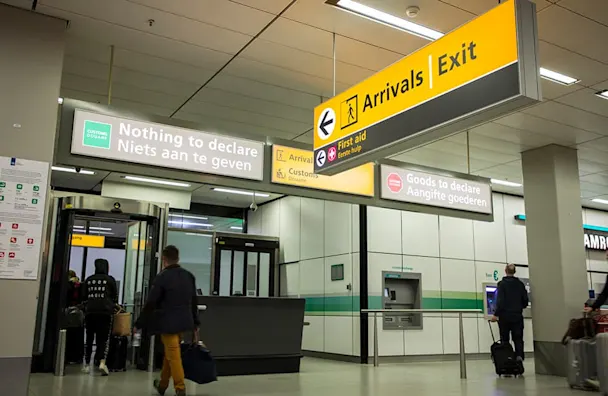
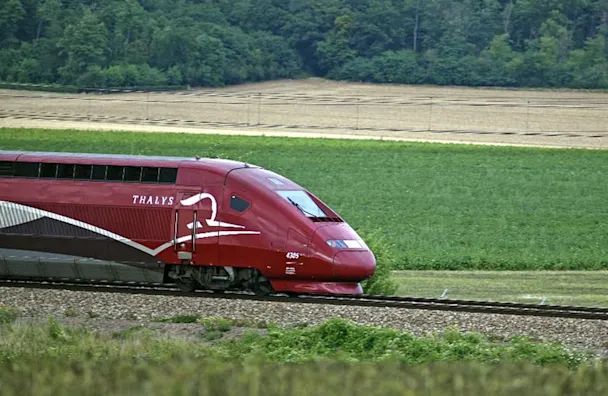
There are an increasing number of alternatives to short-haul flights. These options produce less emissions than aircraft.