Electric TaxiBot Schiphol
Electric TaxiBot Schiphol
Electric TaxiBot Schiphol
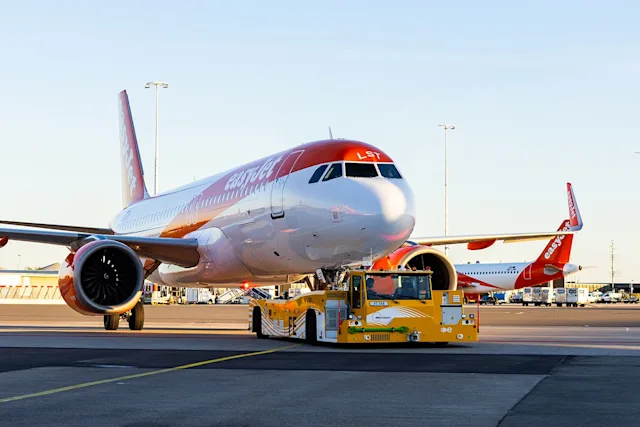
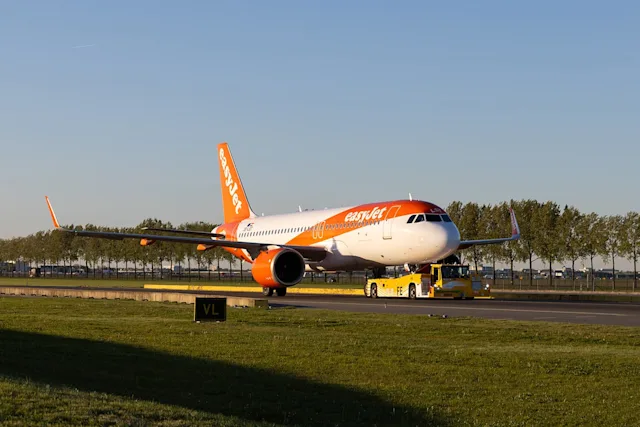
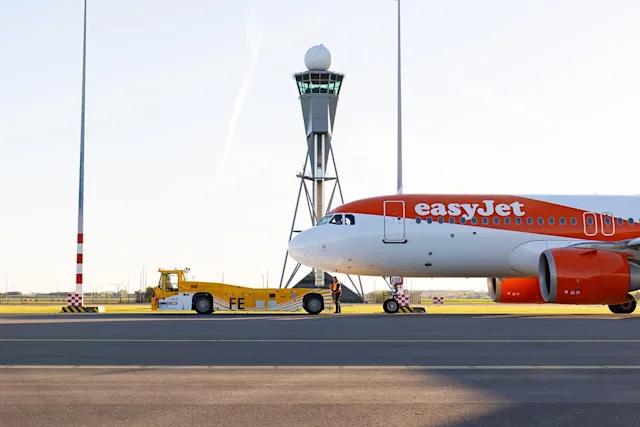
We are continuing our efforts toward cleaner and more sustainable taxiing. Since May 2026, together with easyJet, Airbus and Menzies, we have been deploying the world’s first electric TaxiBot. When the Polderbaan Runway is in use, the TaxiBot transports Airbus A320 aircraft from the gate to the runway.
This is in addition to two hybrid TaxiBots that have been transporting KLM Boeing 737 aircraft to the Polderbaan since 2022. The electric TaxiBot is an extension of this existing operation and helps us gradually gain more experience with cleaner taxiing in daily practice.
Electric TaxiBot Schiphol
Electric TaxiBot Schiphol
Electric TaxiBot Schiphol
Schiphol deploys the TaxiBot on the Polderbaan because this runway has the longest taxi time. As a result, potential fuel savings can reach up to 65 percent. Less kerosene consumption means lower emissions of CO₂, nitrogen oxides (NOx), and (ultra)fine particles.
This is important for everyone working on and around the apron, as well as for the environment. Reduced emissions and noise directly contribute to cleaner air and a safer, healthier, and more pleasant workplace.
Right now, Schiphol has the only electric TaxiBot in the world. The airport is using it to gain practical experience in daily operations. Later this year, three more electric TaxiBots are expected to follow. This will allow deployment to be expanded to more aircraft types from different airlines such as KLM and Transavia.
Together with airlines, ground handlers, Air Traffic Control Netherlands (LVNL), and Smart Airport Systems, we are developing solutions that make a difference in day-to-day operations. The electric TaxiBot is a prime example of this.
As part of the VDME Sector Programme, specifically the ‘Implementation of Taxi Towing Vehicle Operations’ sub-programme, our colleagues are working closely with LVNL, KLM Royal Dutch Airlines and KLM Ground Services. Together, we are taking steps towards zero-emission ground operations. In this way, we are contributing to a healthier working environment and building a more sustainable future.
The acquisition of the first electric TaxiBot was made possible in part by the European Climate, Infrastructure and Environment Executive Agency (CINEA) under the Connecting Europe Facility, in cooperation with the SESAR 3 Joint Undertaking as part of the HERON flagship Digital Sky Demonstrators.